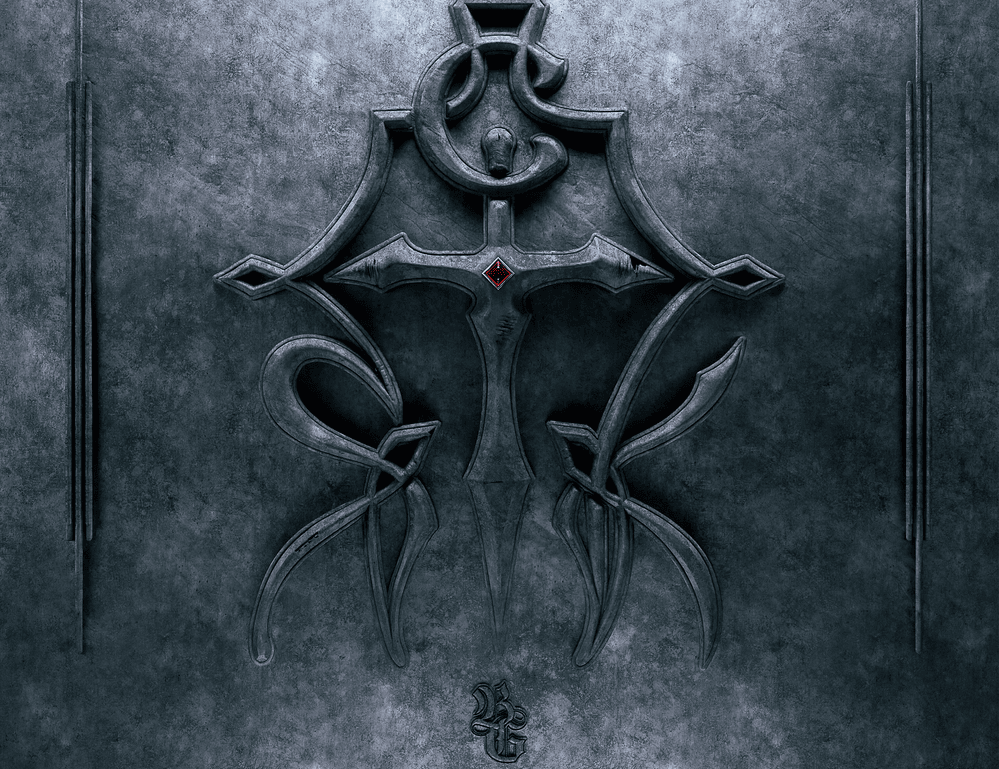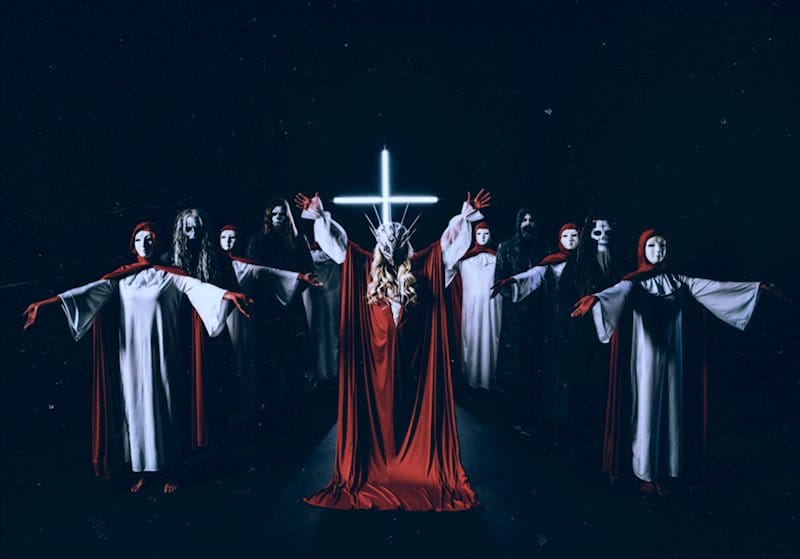


Somewhere in the opening track, "Creature," between the Fugazi riff in the second verse and vocalist Raygun Busch's unhinged, disgusting, and disgusted performance—the first of many, thankfully—the feeling sets in that, with this new album, Chat Pile have stepped up their game. One need only to compare the track's programmed drums to those of "Slaughterhouse"—or "Face" if you're nasty—to hear how much the band has advanced in just a few short years. This latest release, the third of their "mainline" albums, sees the band pushing themselves and reaching new creative heights.
The band has always had tinges of melody flitting around the edges—the haunting bridge of "Rainbow Meat" being the earliest example—but this latest batch of songs finds the band embracing melody to fashion something more accomplished, more fully formed, and, often, just plain catchier than what came before. An exemplar of this more evolved, melodic approach is the explosive fourth single "Shrine." The dynamic, haunting track careens through the darkness atop a surging, syncopated rhythm anchored by guitarist Lester Manhole's dark melodic call-and-response and another guttural, roaring performance from Busch. It's easily one of the best things the band has ever recorded. But even the more straightforward tracks like the lead single "Deep Blue," and its dusty, lurching third single "Same Rules," undergirded the dread and psychological torment with a more developed sense of melody.
And share my dreaming / And join my griеving / And share my dreaming / And join my grieving / Only drеaming
Busch's vocal work through Who Loves The Sun is nothing short of astonishing. Track after track, he taps into something so painful and raw that he threatens to walk away with the whole album. He's gone to some extreme places in the past, but here he focuses and sustains that fury for significant stretches of the album. On the standout "PEN I S MALL," Busch genuinely sounds like he might not make it out alive.
Equally impressive is the lyrical depth Busch achieves. Drawing on everything from Greek tragedies and Samuel Taylor Coleridge to the work of Alex Garland, Danny Boyle, and Nia DaCosta in 28 Years Later and its sequel, 28 Years Later: The Bone Temple, the album explores the ever-maddening struggle to hold onto one's humanity. "Family Funeral" is written from the perspective of Medea in the wake of annihilating her family, while "Christabel '26" uses Coleridge to illustrate the unexpected consequences of letting modern vampires like Peter Thiel into our backyards and homes via data centers, computers, and phones. "Influence," another standout and a sort-of sequel to "Shame," sonically channels Nirvana while refashioning W.B. Yeats (and possibly Maya Angelou) to essay the harm that comes from endlessly doomscrolling death and destruction. Just as affecting are the more personal tracks, like the aforementioned "PEN I S MALL," taken directly from Busch's time as a mall maintenance man.
This was mine but the world is full / Of hallowed halls of degradation / Hard to think that your whole life can pass / As a series of acts of subordination
While Busch is the band's wildcard/X-factor, the entire band put forth career-best work throughout Who Loves The Sun. Bassist Stin's lines are as heavy as ever while still leaving space for guitarist Lester Manhole's impressive and varied guitar work. Manhole's knack for tense, off-kilter harmony that distinguished tracks like "Shame" and "Tape" finds newfound expression in dark, nervy guitar parts that draw inspiration from bands like XTC as much as they do from The Jesus Lizard and Korn. Meanwhile, the more sophisticated drum programming, courtesy of Cap'n Ron, has allowed the band to create more complex and dynamic song structures. Shifting to a more immediate sound, the album's production, handled by the band with engineering from Uniform guitarist Ben Greenberg, maintains a fullness and clarity that only adds to the sense of urgency. Steve Albini would be proud.
The whole album comes to a head on the centerpiece, "Intruder." Inspired by Bong Joon-ho's era-defining masterpiece Parasite, the track tells of a break-in that gives way to the kind of violence that is all but guaranteed under late-stage capitalism. The entire rollicking track brims with a darkly gleeful energy due in no small part to Manhole's nimble fretwork—this is his "Barbarism Begins At Home," and it's the crown jewel of this song set. Where past tracks like "grimace_smoking_weed.jpeg" and "The Matador" were sprawling and purposefully challenging, "Intruder" loses the excess but none of the power. Perhaps what's most impressive about Who Loves The Sun is that it shows Chat Pile are capable not only of repeating the highs of classics like "Shame," "Funny Man," and "Masc" but surpassing them as well.
'Cause there's no difference between me and you / Except all of the pleasant sights you see / Of which the piper also promised me
The album rarely lets up, surprising all the way until the very end. The closer, the gentle, mostly acoustic "October All The Time," starts off like something The Chameleons might have written in their heyday before letting loose one last controlled burst of cathartic rage. The moment is brief, but it finishes the record with a sense of hopefulness emerging amidst the desolate, apocalyptic imagery.
Put simply, Who Loves The Sun is one of the highlights of 2026 and the best Chat Pile album yet.
Who Loves The Sun is out now via The Flesner.